A project plan can look clear on paper. It has objectives, activities, a timeline, a budget, and expected outcomes. But once implementation begins, the work becomes more complicated. People have different responsibilities, unexpected challenges arise, and decisions made in one area can affect another.
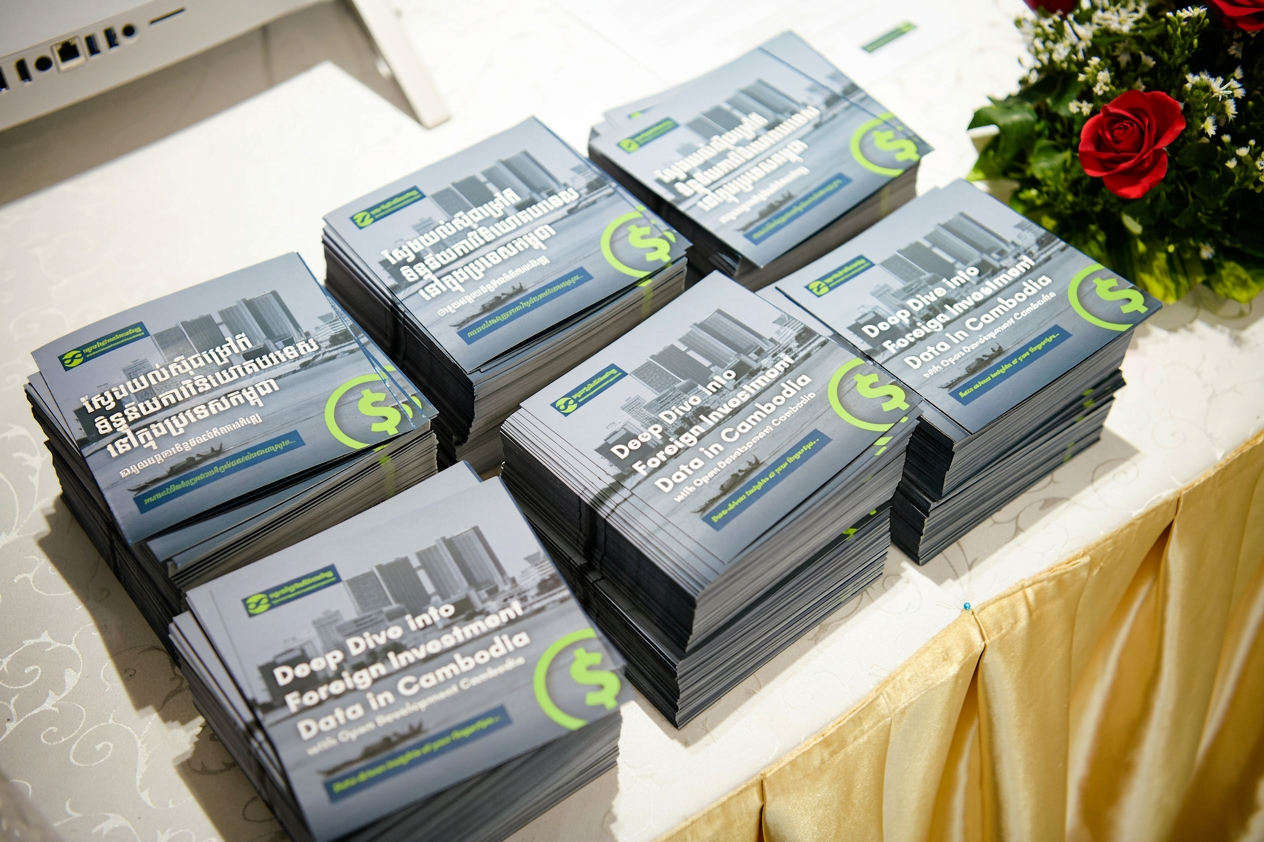
I came to understand this more deeply while managing the Foreign Investment Mapping project at Open Development Cambodia (ODC) from 2021 to 2024. The project aimed to make information about foreign investment in Cambodia more accessible through research, data, and an interactive bilingual platform. ODC’s original announcement introduced the platform in February 2022.
Looking back, I realise that much of my work happened beyond the deliverables themselves—in the coordination, decisions, and conversations that helped bring different parts of the project together.
Managing the moving parts
The project brought together research, data, and technical work around a subject that required us to build a shared understanding across different areas of expertise. We needed to turn information from different sources into something people could explore and understand.
This involved more than collecting data. We had to consider what information was available, how it should be organised, how the platform should present it, and how users could navigate and access it.
Like many organisations in the sector, we ran several donor-funded projects at once, and their deadlines and reporting often overlapped. Each had its own activities, deadlines, budgets, reporting requirements, and expected outcomes. A decision that seemed straightforward for one project could affect the workload or timing of another.
My responsibility was to keep track of these moving parts without losing sight of what each project was meant to achieve. I monitored progress against activity plans, followed up on deadlines and budgets, identified implementation risks, and worked with colleagues to address challenges. Some issues could be resolved within the team; others required discussion with management or the donor.
The proposal gave us the initial direction, but implementation required continuous attention to the realities of the work. We had to consider what was achievable with the information, time, resources, and people available.
Tracking activities and milestones helped me monitor progress, while also considering what those activities depended on, where difficulties might emerge, and what needed to happen next to keep the project moving.
Turning uncertainty into direction
One of the challenges of working across research and technical development was that the different parts of the project could not operate independently. The information that the data and research team collected needed to be organised meaningfully, and the technical team needed a clear understanding of how that information would be presented to users.
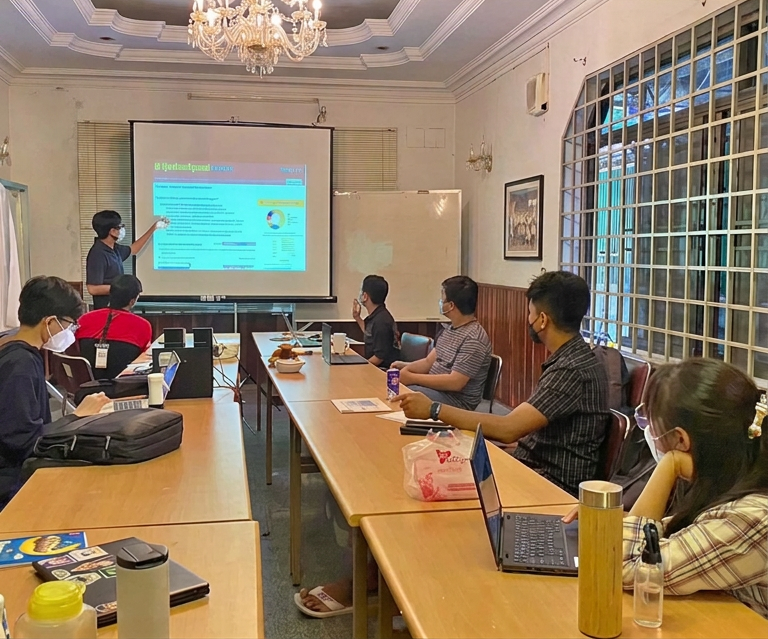
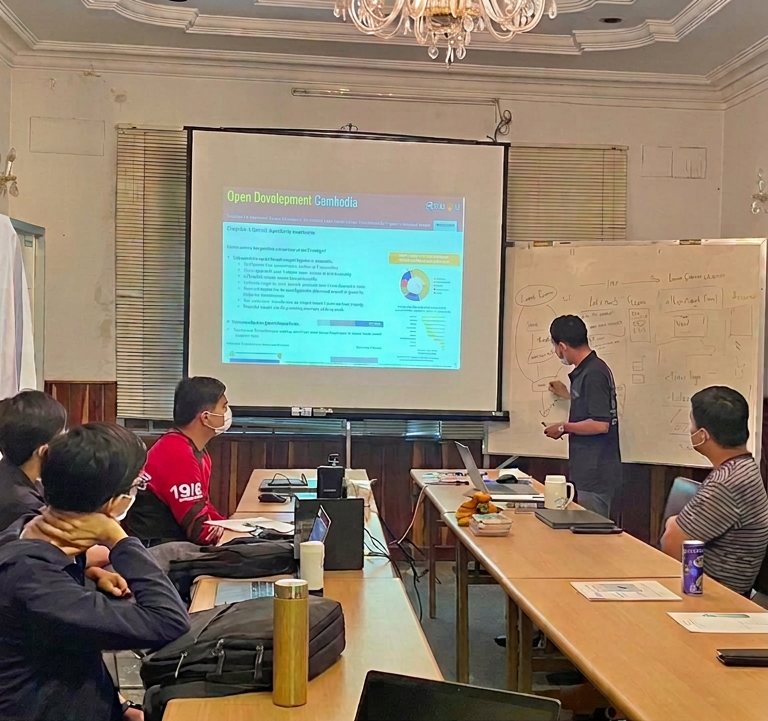
This also meant listening to perspectives beyond the project team. Sectoral consultations helped gather input on foreign investment data and information, informing discussions about how the dataset and profile page could be enhanced. This ODC article describes one of the consultations that informed the work.
My role was to help connect these areas, keep the intended outcomes in view, and make sure that questions or difficulties were raised early enough to address them.
Alongside tracking activities and milestones, regular communication with the team helped me stay informed about progress, hear about emerging challenges, and discuss what needed attention before it affected other parts of the work.
Not every issue had an immediate answer. Sometimes we needed to reconsider the available information, clarify a requirement, or discuss whether an adjustment was necessary. When a decision affected the wider project, I had to make sure the relevant people were informed and that the team understood the direction.
I was also learning to balance the detail of individual tasks with the wider picture. A team member might be focused on completing a particular piece of work, while I needed to consider how it fitted into the project timeline, budget, other commitments, and expected outcomes.
Neither perspective was more important than the other. My responsibility was to connect them so that the work could progress with a clearer sense of priority.
Trust is built through consistency
Reporting was another important part of my project-management responsibilities. I prepared donor reports for review by the Executive Director, working to make the progress, results, challenges, and reasons for any adjustments clear.
I did not see a report as simply a record of activities completed. It needed to explain what had been achieved, what had proved difficult, and what the available evidence told us about the project’s progress.
When donors requested clarification, I needed to understand the implementation details well enough to respond accurately and explain the context behind our decisions. That required staying close to the work throughout the project, not just gathering information when a reporting deadline approached.
Over time, I came to see how consistency in reporting mattered. When the progress, challenges, and explanations were clear, others could understand where the project stood and why certain decisions had been made.
For me, that was one way of building trust through the everyday work of managing a project.
The pressure a project manager carries
Managing several projects at once meant that I was often thinking about things beyond the immediate tasks in front of the team: deadlines, budgets, donor expectations, reporting commitments, and the risks that could affect whether we achieved our intended outcomes.
Not all of these concerns needed to be passed directly to the people doing the work. But I still needed to make sure they understood when priorities changed, when a decision affected their responsibilities, or when a challenge required their attention.
I became more conscious of the difference between keeping a team informed and transferring my own pressure to them. I wanted colleagues to feel able to raise problems early, ask questions, and focus on the work they were responsible for.
When a wider issue arose, I needed to work through it, seek advice or a decision where necessary, and communicate what the team needed to know.
Of course, I could not shield the team from every difficulty, and I did not always have an immediate solution. Sometimes the best thing I could do was make the situation clearer: what had changed, what we needed to resolve, and what we could still move forward with.
This experience deepened my understanding of a thought I have returned to often: my pressure can become someone else’s pressure.
How I communicate a concern, respond to a setback, or clarify a priority can affect how other people experience their work.
For me, this does not mean a project manager should carry every problem alone. It means being thoughtful about how responsibility is shared, so that people have the information and support they need without being burdened by uncertainty that has not yet translated into something they can act on.
Recognising an opportunity beyond the original plan
The Foreign Investment Mapping project also influenced how I thought about the information we were making accessible.
As I became more interested in corporate social responsibility and responsible business, I started paying closer attention to discussions about transparency and the environmental and social impacts of business activity. I began to see a connection between investment information and wider questions about how businesses disclose information about their practices and responsibilities.
I saw an opportunity to bring these questions into a broader conversation.
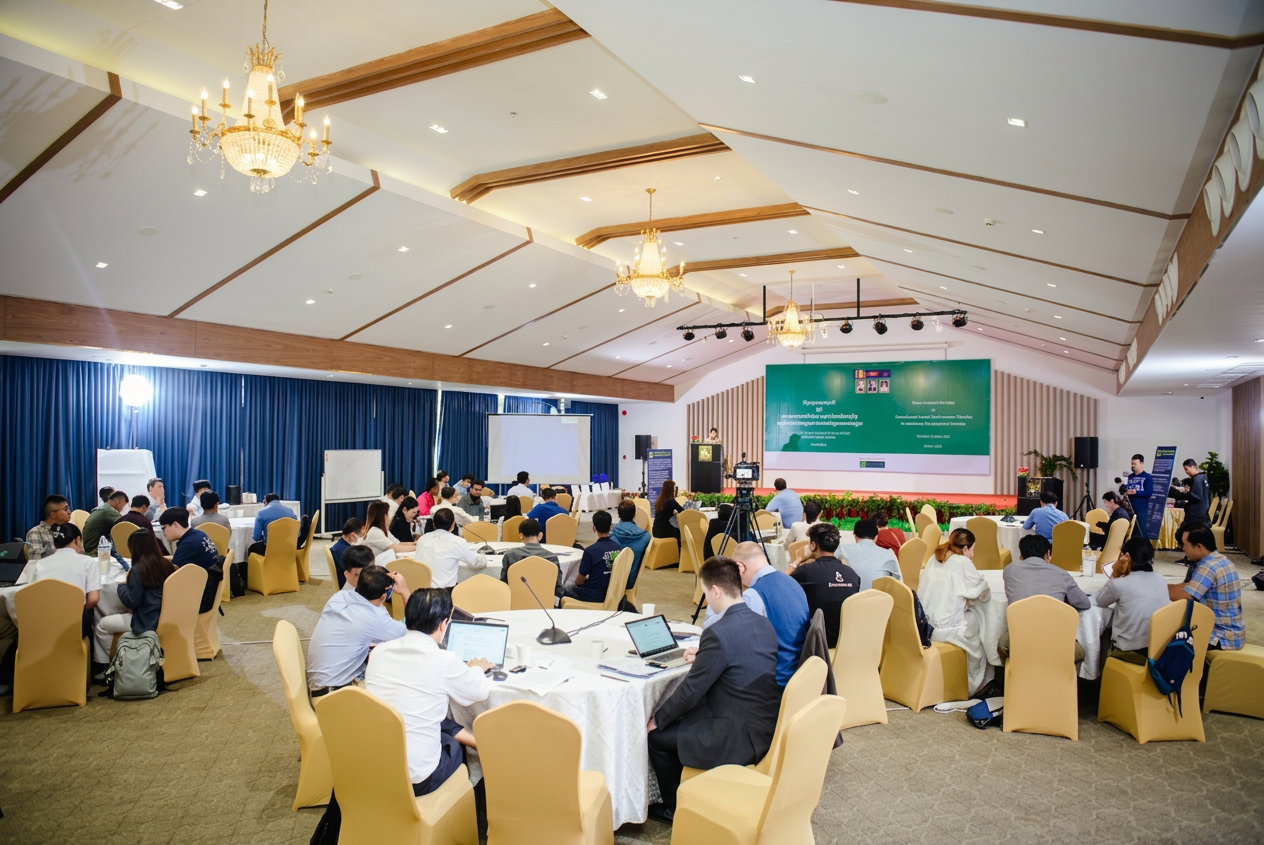
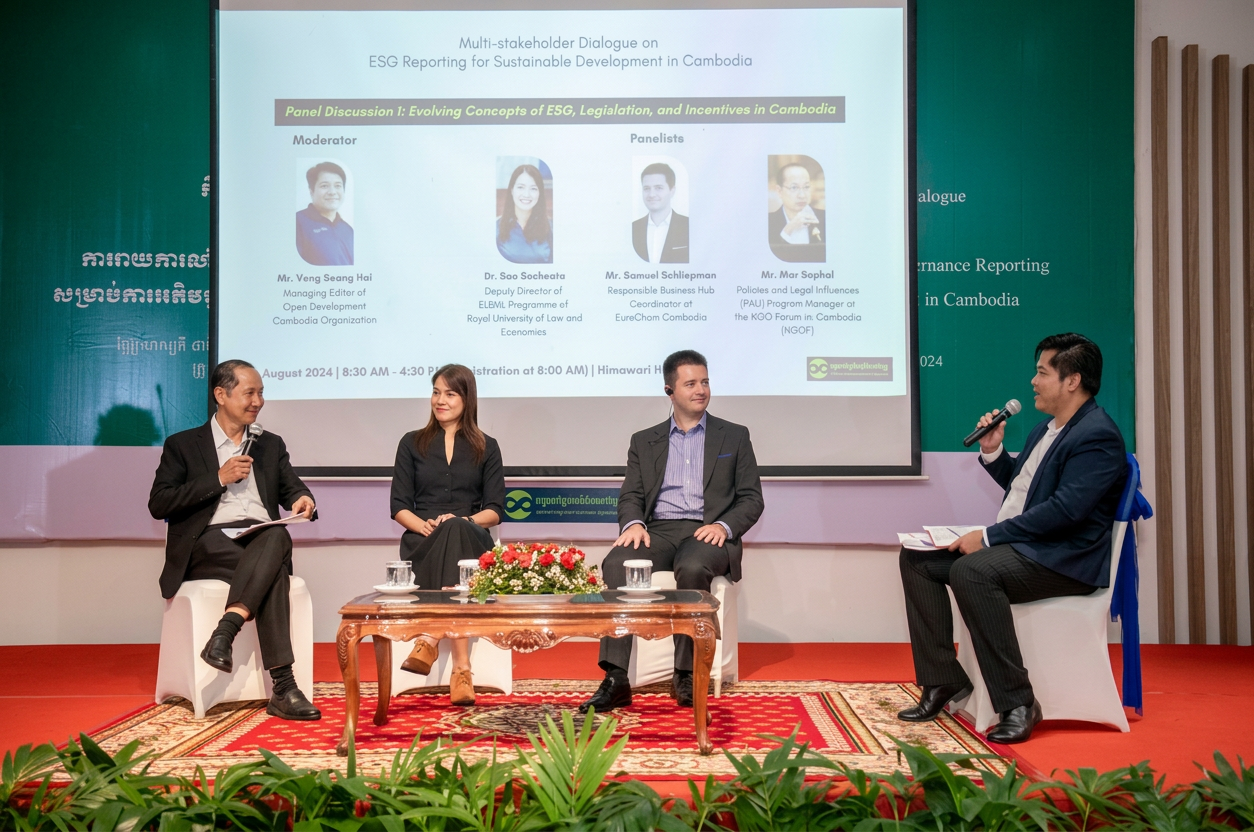
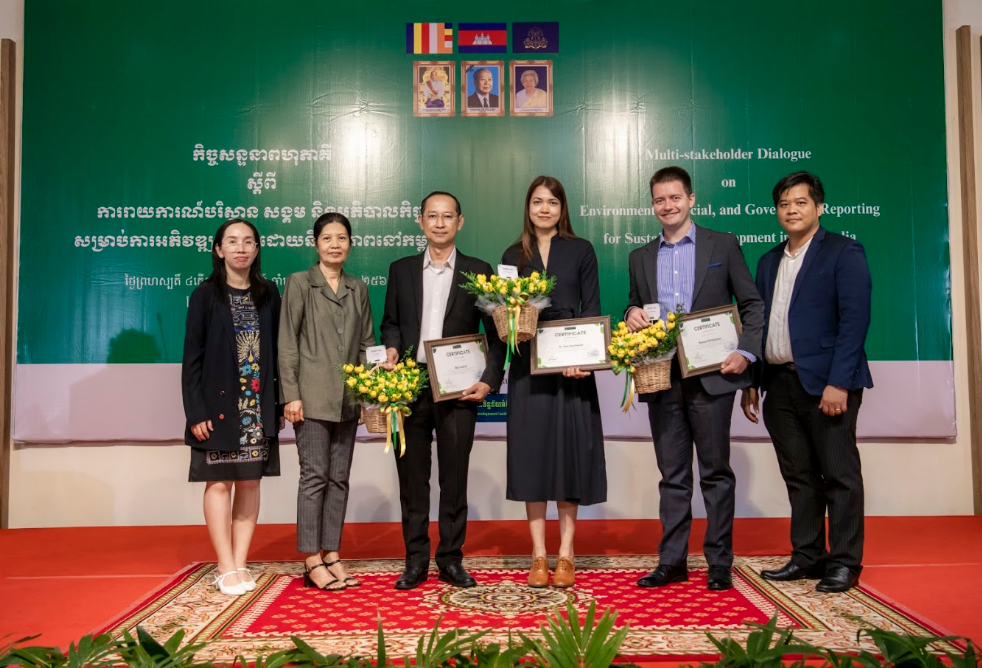
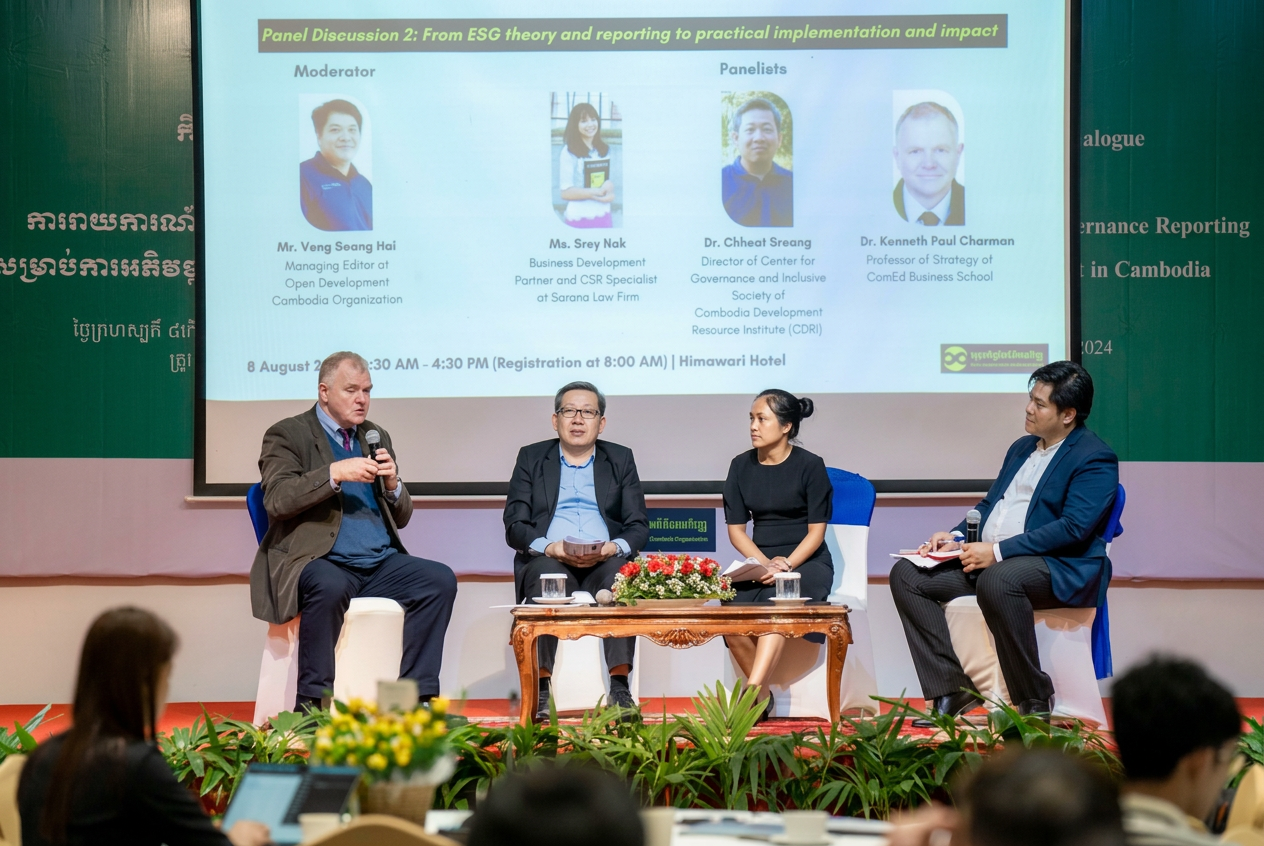
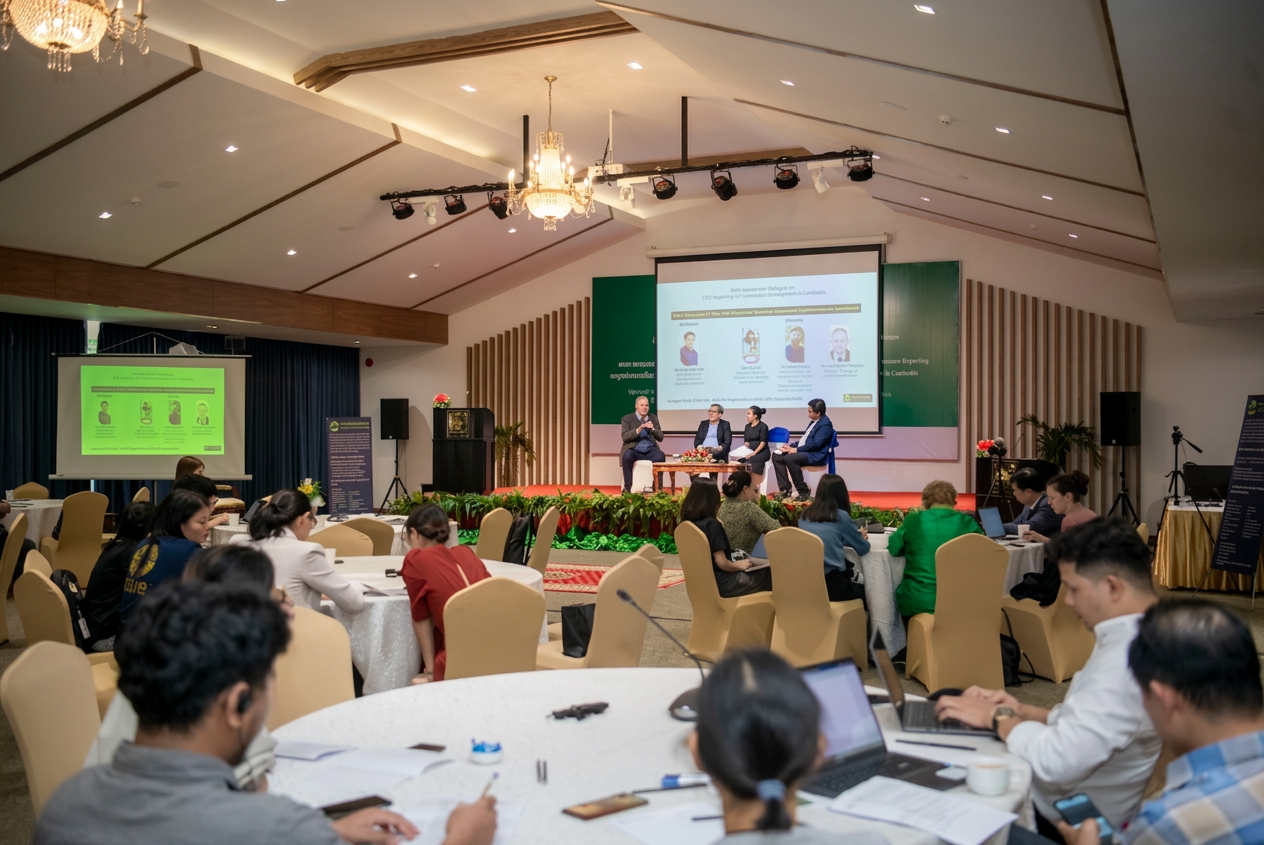
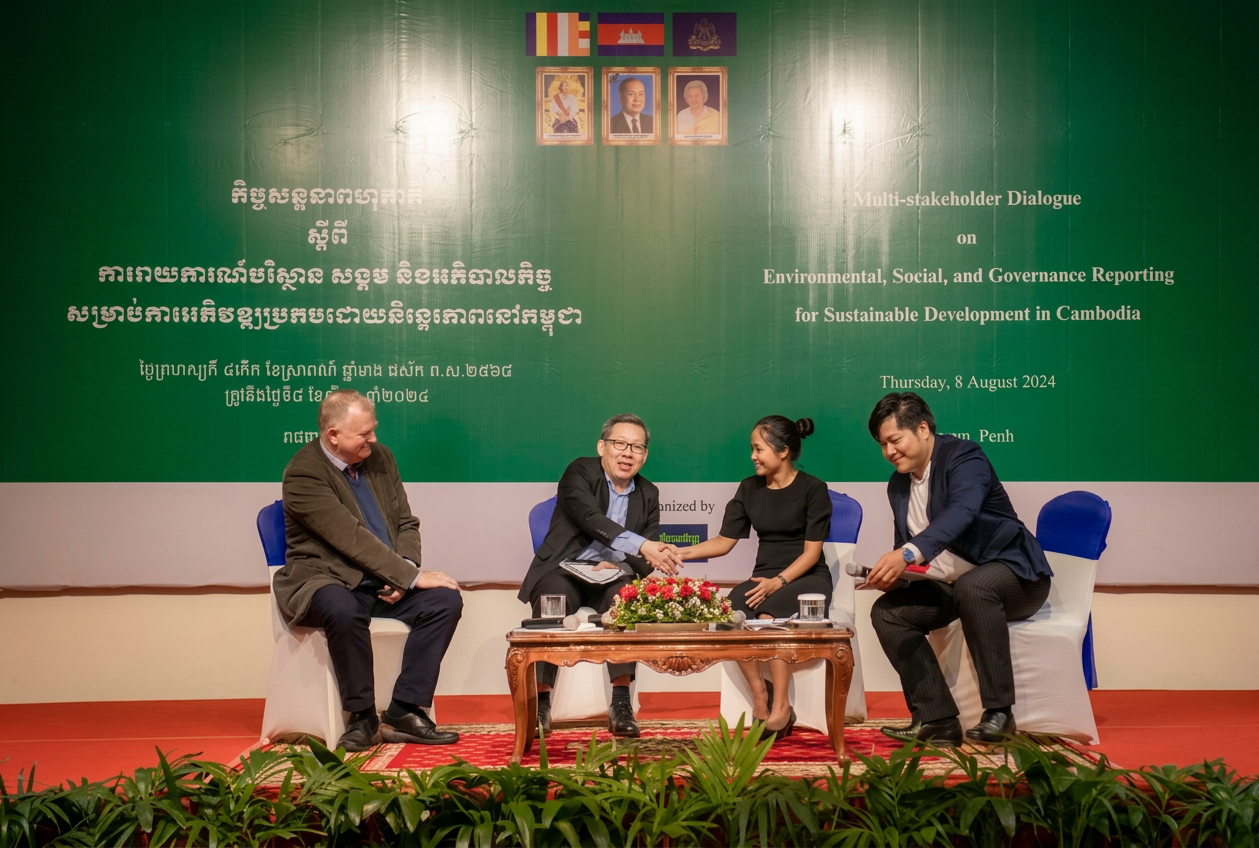
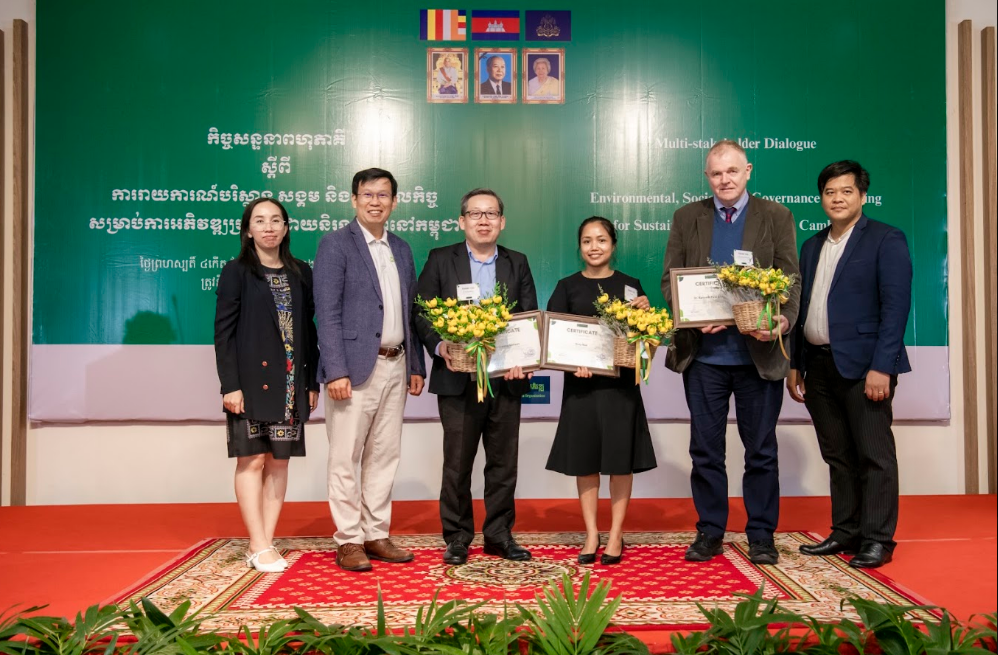
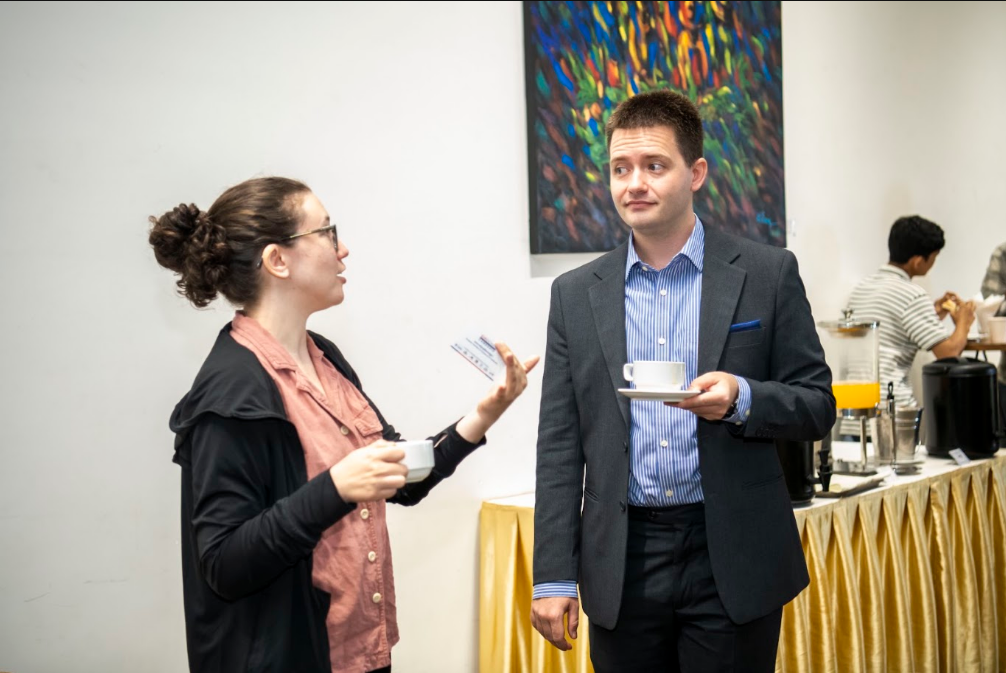
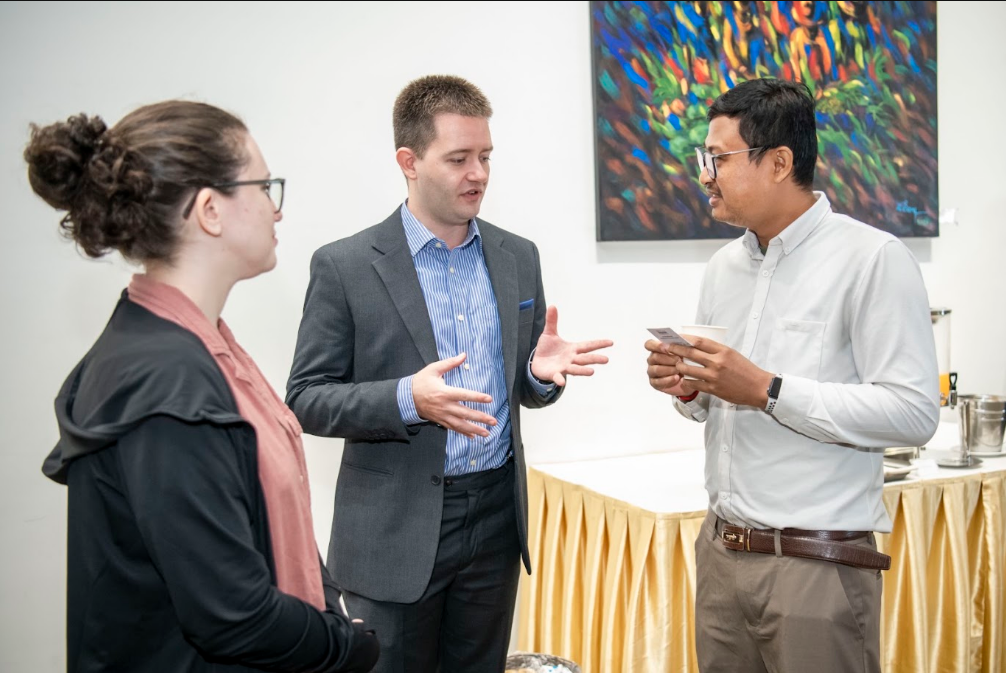
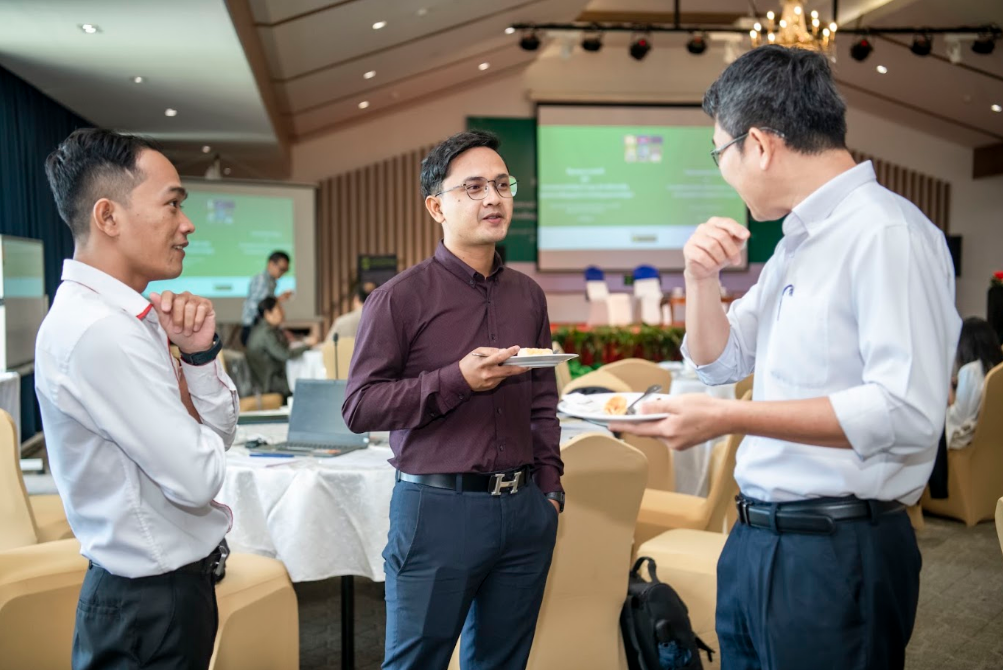
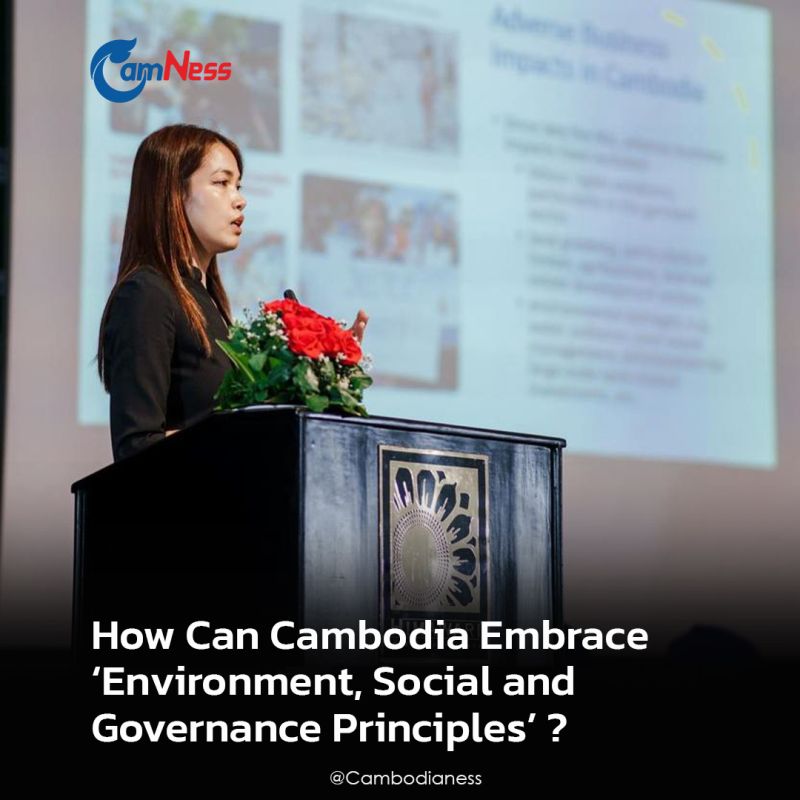
Before the Foreign Investment Mapping project closed, I helped initiate and organise a multi-stakeholder dialogue on environmental, social, and governance (ESG) reporting in Cambodia. ODC hosted it in Phnom Penh on 8 August 2024 and described it as the first multi-stakeholder dialogue on ESG in the country. It brought together 75 participants from government, the private sector, NGOs, universities, journalism, and communities, under the theme “Leveraging Data and Information Disclosure for Responsible Business.” ODC’s report on the dialogue has the details.
It was an additional initiative alongside my project responsibilities. It grew out of my interest in responsible business and my belief that data and information disclosure could contribute to a wider discussion. I am grateful to ODC’s leadership and board, the speakers, and my colleagues, who made it possible.
This was an additional initiative I pursued alongside my project responsibilities. It grew out of my own interest in responsible business and my belief that the work around data and information disclosure could contribute to a wider discussion.
I could not know what might follow from starting that conversation. My intention was to bring different perspectives into the room and create an opportunity to discuss an emerging issue in Cambodia.
I shared more about the thinking and work behind the dialogue in Behind the Dialogue: What It Took to Bring Cambodia’s First Multi-Stakeholder Conversation on ESG to Life.
Looking back, I value this experience because it showed me how familiarity with a project can help you notice questions beyond its original deliverables.
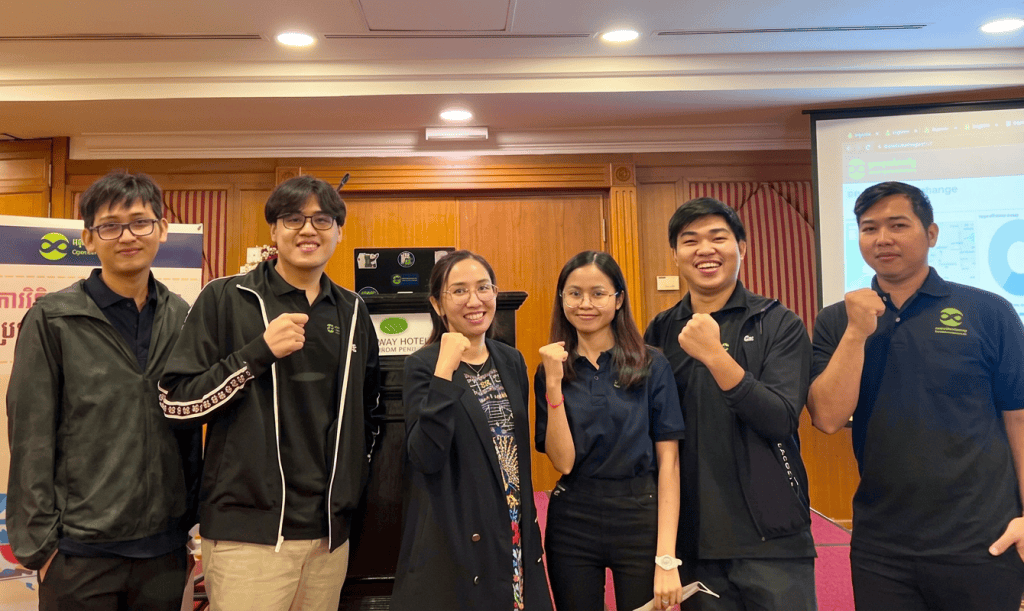
Recognising that opportunity was only the beginning. Turning it into a dialogue still took planning, coordination, and the practical work of bringing people together, and it took a team to do it.
What I carry forward
Managing the Foreign Investment Mapping project strengthened my understanding of how project management works in practice. Plans, budgets, timelines, and indicators provide necessary structure, but they do not remove the need for judgement.
The work also requires listening, following up, making decisions with the information available, and adjusting when circumstances change.
I also came to appreciate how closely implementation, communication, and trust are connected. A project is not managed only through its formal milestones. It is managed through the many decisions and interactions that help people understand their responsibilities, address challenges, and keep working towards a shared outcome.
Some of this work is visible in the final product or report. Much of it is not.
Yet these less visible responsibilities shaped how I approached my role and how I understood the kind of manager I wanted to become.
I am still learning. But I now pay closer attention not only to what a project needs to deliver, but also to how the work is organised, how decisions are communicated, and how people are supported along the way.
The deliverables matter. So does the work behind them—and the people who make them possible.
Explore the work
Foreign Investment Mapping:
The Foreign Investment Mapping project brought together research, data, and interactive tools to make information about major foreign investment projects in Cambodia more accessible.
- Foreign Investment in Cambodia profile page — an overview of the topic and related information.
- Foreign Investment Mapping dashboard — explore the interactive visualisation of 408 investment projects in Cambodia as of 2024.
- Major foreign investment projects in Cambodia dataset — access the underlying dataset for further exploration and analysis.
Related responsible-business resources:
The work my team and I did to make foreign investment information more accessible also contributed to my interest in how data and information disclosure could support wider discussions about responsible business.
- Responsible Business in Cambodia profile page — explore information related to responsible business in Cambodia.
- Corporate Social Responsibility (CSR) companies in Cambodia dataset — explore the dataset on companies and their corporate social responsibility activities.
These are ODC’s current pages. I can’t speak to how they have changed since I left.
Written in a personal capacity. These reflections are mine and do not represent Open Development Cambodia.